

New identities are emerging.
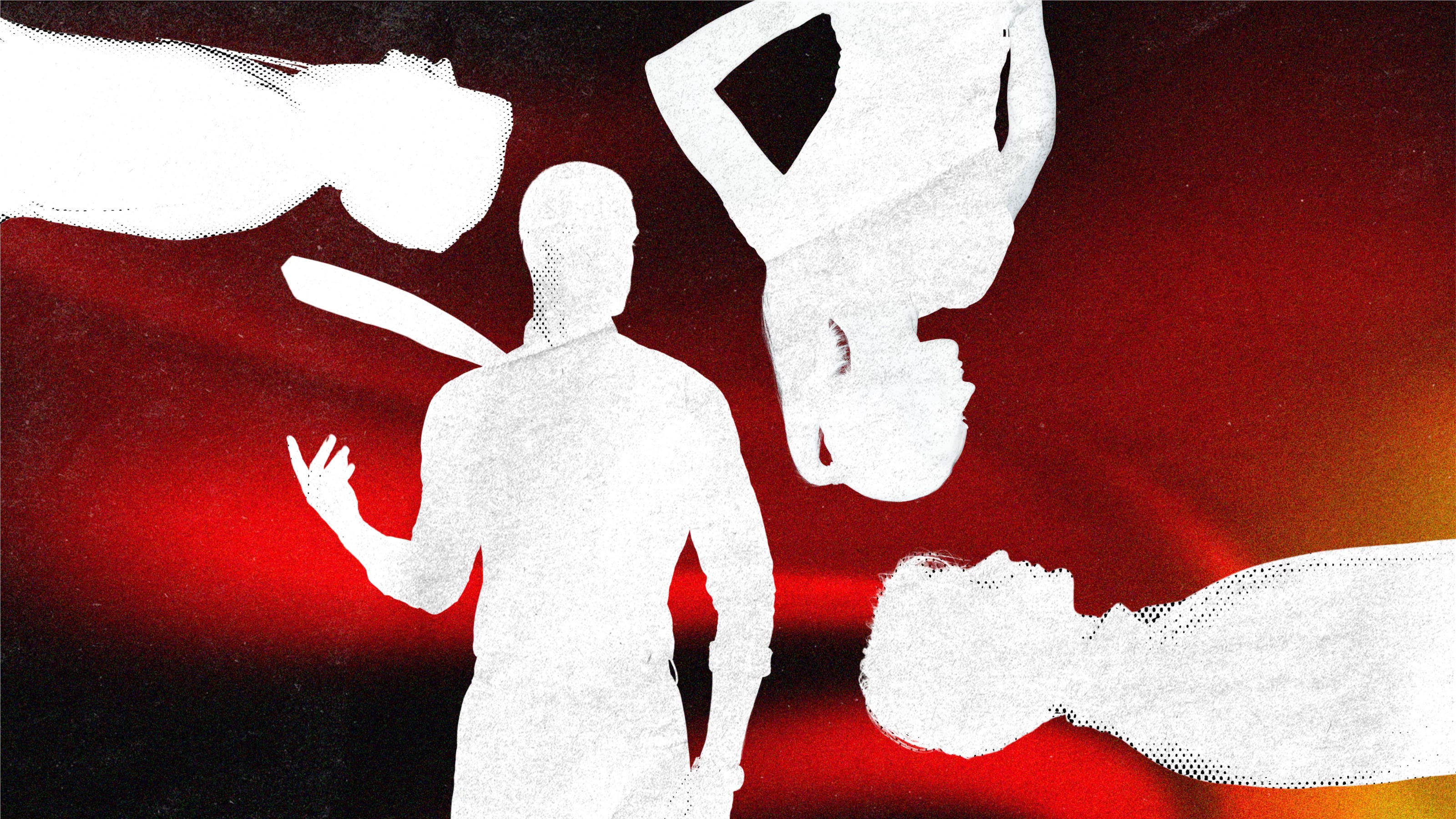
Meet the four people we are turning into.

Everywhere you look right now, people are gathering. There is a certain type of need to be in-person with other people, not to spend all your time online.
Run clubs grew their membership by nearly 60% in a single year and replaced the bar as the place Gen Z meets. Supper clubs, art salon style gatherings, sober raves, hiking groups, the whole architecture of the “third space” is being rebuilt. The headline of the moment is connection. Community is back, and the brands have noticed.
So here is the strange thing. Underneath the visible return to the group, the nearer future of identity is running hard in the opposite direction. We are joining more rooms and belonging to fewer of them. The community you can see is real, but it’s a place you visit, not a thing you are. You go to the run club at seven and you are no more a “runner” in the old tribal sense than you are a regular at a coffee shop. The membership is light, optional, un-costumed. You can be in five communities and identified by none of them.
Community is comfort, not identity.
What’s actually forming, in the gap the old tribes left behind, is something more private. Identity is moving off the group and onto the individual, and it’s becoming a stance rather than a style: not what you wear or who you stand with, but the specific decision you’ve made about how to survive a world that won’t hold still.
There are, right now, four of these forming. You’re almost certainly already one, even if no one’s named it for you yet. And unlike a subculture, you can’t spot any of them in a crowd, because they don’t live on the body and they don’t need anyone else to exist.
There’s the Free Agent, who refuses to go all-in on anything: not one career, not one city, not one belief, not one defining relationship. Keeps every option open on principle. Reads as flaky to people who grew up on commitment, reads as sane to anyone who watched a single bet wipe someone out. The market already serves this one without naming it. The “portfolio career,” several income streams held at once, is being sold in 2026 as the only safety net left, and the spending follows: diversified, hedged, allergic to the single big commitment.
There’s the Obsessive, the whole self organized around one deep thing pursued past the point of reason: the fermentation person, the vinyl person, the one who knows everything about a single shipwreck. The identity is the rabbit hole. This is the consumer brands are quietly reorganizing around, away from mass reach and toward the narrow, paying, fanatically engaged niche, the knowledge product and the membership, the people who will spend disproportionately on the one thing they care about most.
There’s The First Mover, who lives at the front edge of culture rather than tech alone, first to the neighbourhood, the diet, the app, the take, the new destinations. The whole self is being ahead. The quiet fear underneath is being caught behind.
And there’s the Low Profile, for whom privacy is a worldview: the relationship that is kept offline, the trip announced only after, a standing wariness of anything built to be performed. Being un-googleable is the flex. Attention is guarded like money, because it is. The clearest tell is in your hand: dumbphone sales rose roughly a quarter in 2025, and the people buying a $799 Light Phone to do less are not nostalgics. They are paying a premium to be harder to reach, harder to track, harder to monetize.
Notice what they have in common, which is almost nothing visual and almost nothing collective. A Free Agent and an Obsessive could be wearing the identical outfit, standing in the same run club, scrolling the identical feed, and be living in opposite directions. The identity isn’t on them and it isn’t around them. It’s the line they’ve drawn, alone, about what exactly they refuse to leave exposed.
So why these four, and why now? Because the same instability driving people into run clubs is what’s privatizing their identities. We are in a polycrisis: climate, economy, geopolitics, AI, institutions, all destabilizing at once and feeding each other, so the whole is more dangerous than the sum. The ground that used to hold an identity in place, a stable job, a single career, a culture slow enough to belong to, is gone. You can join a community to feel less alone in that, and people are. But community is comfort, not identity. When the ground actually moves, people don’t pick an aesthetic and they don’t outsource the answer to a group. They pick a stance, privately.
Here is where most futurists get it wrong. The consensus says we’re all softening: that ambition drained out of a generation that watched the old deal collapse, and now everyone just wants a calm little life, a soft business, an exit. It’s a comforting story and it’s mostly cope. Look at what people are actually doing and you don’t see surrender. You see armor. The drive to compete, to win, to be the one who can’t be replaced, none of it left. It re-routed. Under pressure ambition doesn’t disappear; it gets harder, quieter and more strategic. The Free Agent, the Obsessive, the First Mover, the Low Profile are not four ways of giving up. They’re four ways of staying in the game when the rules stopped being legible, right as AI dissolves the two-century link between the work you did and the person you were.
These won’t be the final names. We’re maybe two years from the shapes settling, and they’ll have settled into something else by then, because that’s what identities do now. They float, they recombine, we each run several at once. The point was never to pin down a permanent new category. The old subcultures were permanent, and collective, and that was the whole arrangement: you joined one and it held you. What’s replacing them isn’t another set of groups to join. It’s the opposite. The group became a place you pass through, and the identity retreated inward, to a decision only you can see yourself making.
The old subcultures asked who you'd stand with. The new identities ask something colder: what you won't hand over, even when it costs you. The Free Agent won't surrender their options. The Obsessive won't dilute their one thing. The First Mover won't fall behind. The Low Profile won't be made visible. This is why the old marketing playbook fails: you can't target a stance the way you targeted a look. Brands and founders need to shift from decoding the aesthetic or sponsoring the run club. Instead, work out what each of these four is protecting, and earn their way in by being the rare thing worth letting past the line.
About Kima
Kima Sargsyan is a strategist and narrative consultant writing Perceptio. She works with founders and execs on how their company is seen and how to shape it.
Want to keep talking?

I love how this is framed around personal ambition and the comparison/parallel at the beginning with the community. love this. do you anticipate more archetypes rising?