

The traumatized consumer
Brand and experience building in an age of constant crisis.

For years, we’ve been designing products and experiences with a straightforward narrative: consumers are busy, so make it simple, make it quick, strip away the excess. Declutter the experience.
Those of us working in product design, experience strategy, creative and marketing have been trained to solve for this busy consumer. We’ve built careers on the foundation of simplicity and frictionless design. We’ve celebrated removing steps from checkout flows and streamlining sign-up processes. We’ve high-fived over seconds saved.
But something’s shifted in recent years. Our customer is no longer just busy. They’re overstimulated, constantly managing information, emotions and expectation all at once. Our customers are traumatized.
The new normal is not normal at all.
The statistics are sobering. Nearly 90% of Americans report losing sleep over economic and health worries. 75% have experienced physical symptoms of stress in the past month (APA). Globally, the percentage of people experiencing emotional stress has jumped from 26% in 2007 to 38% in 2020, with numbers still climbing through 2025 (Gallup).
This isn’t post-pandemic fatigue or a temporary blip anymore.
Every day, consumers are all bombarded with crisis notifications covering economic uncertainty, climate anxiety, political division, work demands that never end, social media algorithms designed to keep them scrolling through increasingly extreme content, financial pressures intensified by inflation and so on.
And our human bodies and brains weren’t built for this.
The consumer rebellion has started.
What is fascinating is that consumers themselves have started fighting back, but most brands haven’t caught on.
People proudly announcing “digital detoxes” where they disappear from social media for weeks.
People installing apps like Forest or Freedom that actually block them from accessing distracting content.
The rise of “slow media” approaches where people deliberately limit their information diet to a few high-quality sources.
Browser extensions that filter negative news and “anti-doomscrolling” tools gaining massive popularity.
More people taking full “digital sabbaticals”, planned breaks from all technology
These aren’t fringe behaviors anymore. Apps that block distracting content are growing annually, with millions of users globally limiting their digital intake. The global app blocker market size was valued at $1.4 billion in 2024 and is forecasted to hit $4.2 billion by 2033, growing at a compound annual growth rate (CAGR) of 13.2%. Approximately 65% of Gen Z report they’ve deleted at least one social media app in the past year specifically to protect their mental health.
There’s something almost tragically ironic about this situation: consumers are paying for tools to block the very experiences we’re paying to put in front of them.
Why our current approach is failing
The design principle of simplification isn’t wrong, it’s just woefully incomplete.
Consumers will abandon perfectly streamlined experiences not because the flows are complicated, but because consumers are emotionally overwhelmed. They’ll unsubscribe from emails not because the content isn’t relevant, but because another notification feels like too much to bear.
70% of consumers have unsubscribed from brand emails recently due to overwhelming volume. And marketing fatigue has reached record levels, with most consumers feeling brands have “lost touch with the human element.”
The gap isn’t in functionality, it’s in understanding emotional context.
This is more biological than we want to admit.
The science here is pretty clear. When someone is in a state of constant alert:
Their decision-making shifts from rational to emotional.
Their ability to process complex information diminishes.
Their trust threshold rises significantly.
Their attention span fragments.
This explains behaviors such as abandoned carts despite interest, subscription churn despite satisfaction, brand-switching despite loyalty. It’s self-preservation.
In the attention economy, we’ve optimized for engagement without considering the cumulative cost of that engagement on wellbeing. The bill for that approach is now coming due.
3 shifts we need to make
So how do we create, build and communicate in this new reality? Here’s how I’m starting to think about it:
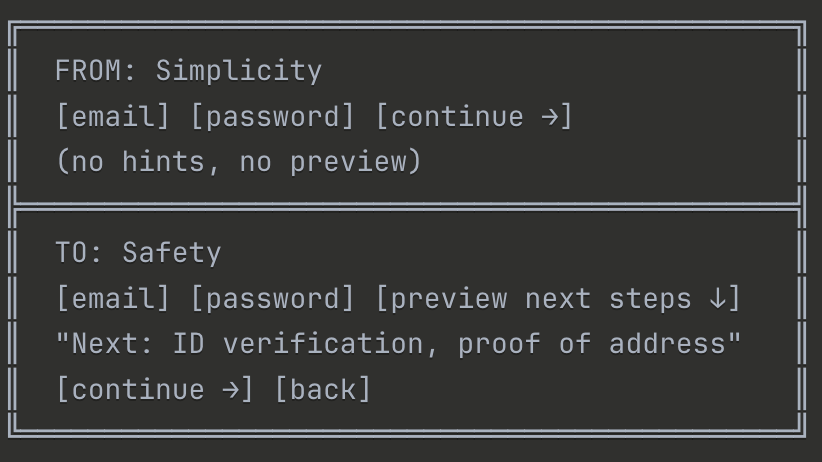
1. From simplicity to safety
Everyone says they want things simple. What they really want is to feel safe.
For companies, that means building clarity and trust into every interaction.
For consumers, it means knowing they’re in control.
Be transparent about what happens next.
Eliminate hidden costs, manipulative loops, or surprise steps. Give the consumer full control over their experience.
Design calm, low-stress environments that build consumer’s confidence.
Offer visible exits — opt-outs, undo buttons, second chances.
2. From engagement to empathy
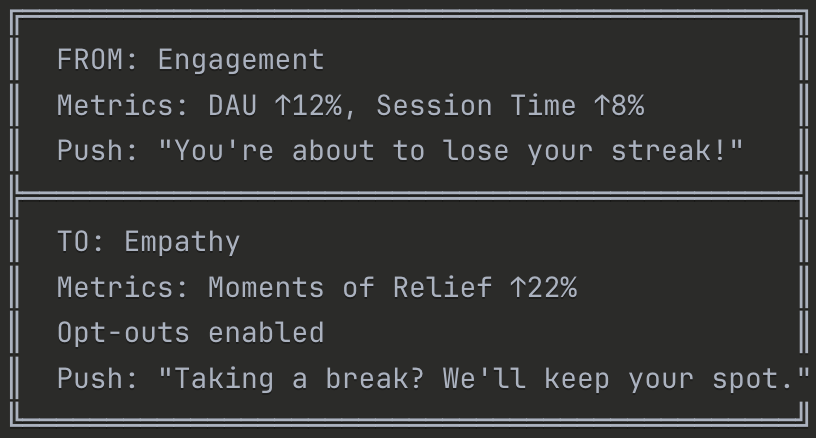
Engagement built the digital economy. Empathy will save it.
Brands chase attention. People crave understanding.
The winners will be the ones that create less noise and more relief for both sides.
Measure the value you add, not just the time you take.
Build communication that respects consumer’s current context.
Design for honesty, not perfection.
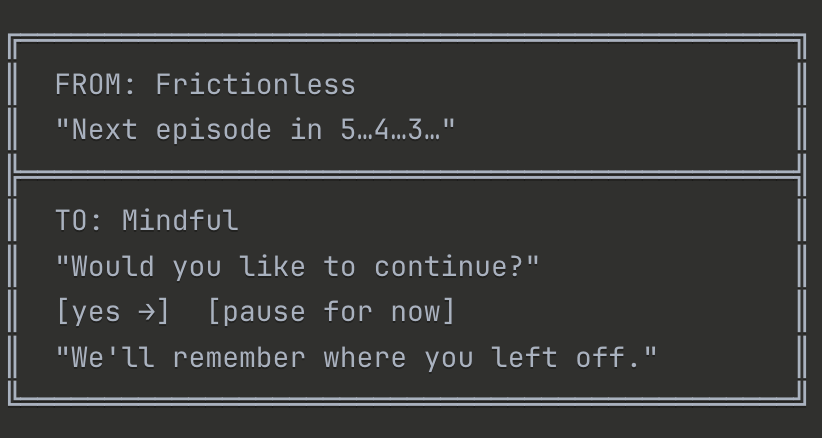
3. From frictionless to mindful
“Frictionless” has become the holy grail of design but total ease can strip away meaning.
Businesses lose touch with intent, consumers lose touch with themselves.
Build gentle pauses before big decisions.
Design defaults that protect, not exploit.
Optimize for long-term trust, not short-term clicks.
Respect attention as the new finite resource.
Auto-play doesn’t ask, it assumes.
A 10-second pause to choose might be the most human feature left.
Finding our way through this as practitioners
I keep coming back to this thought: What if the most valuable thing we could offer people right now isn’t more features or faster experiences, but a moment of genuine understanding? What if brands became sources of relief rather than sources of raw demand?
The traumatized consumer isn’t going away. If anything, the compounding nature of global challenges suggests this “new normal” will only intensify.
For those of us who create products, experiences, stories, this goes beyond ethics. It’s strategy. The brands that acknowledge collective strain and design with empathy will earn not just attention, but trust. In a world where everything works, how it feels is what sets it apart.
Felt this all very much. Especially as I’m scrolling late at night and should have the phone far away from me!
Those is very interesting