

On craft: building a professional identity
Shifting from titles to talent and continuous improvement.


Rapid technological advancements and changing societal needs have blurred the lines of career paths, making adaptability, creativity, and skill the new currency. In this context, once seen as badges of honour, job titles now hold less weight than the talent and contributions an individual can bring to the table. With the current pace of transformation, our titles may mean nothing tomorrow. One way to have a fulfilling work and life and eventually get noticed for your talent is to prioritize the ongoing project called "evolving my identity to match my aspirations".
Shape your career around the skillset and identity rather than a title. The title should be the result, never the goal.
Career vs craftsmanship
Careers are typically pursued to achieve certain milestones, such as promotions, salary increases, and professional recognition. The focus is often on advancement, stability, and accumulating expertise and credentials within a chosen field.
Craftsmanship focuses on the intrinsic value of the work itself, personal satisfaction, continuous improvement, and the pursuit of excellence for its own sake rather than external rewards. In this sense, everything can be viewed as a craftsmanship up to your communication or leadership style. Being a great communicator and leader is a craft, a unique formula everyone should invent for themselves. It is the skill and artistry with which a person performs their work. It emphasizes the dedication to quality, attention to detail, and continuous improvement in one's professional and personal journey.
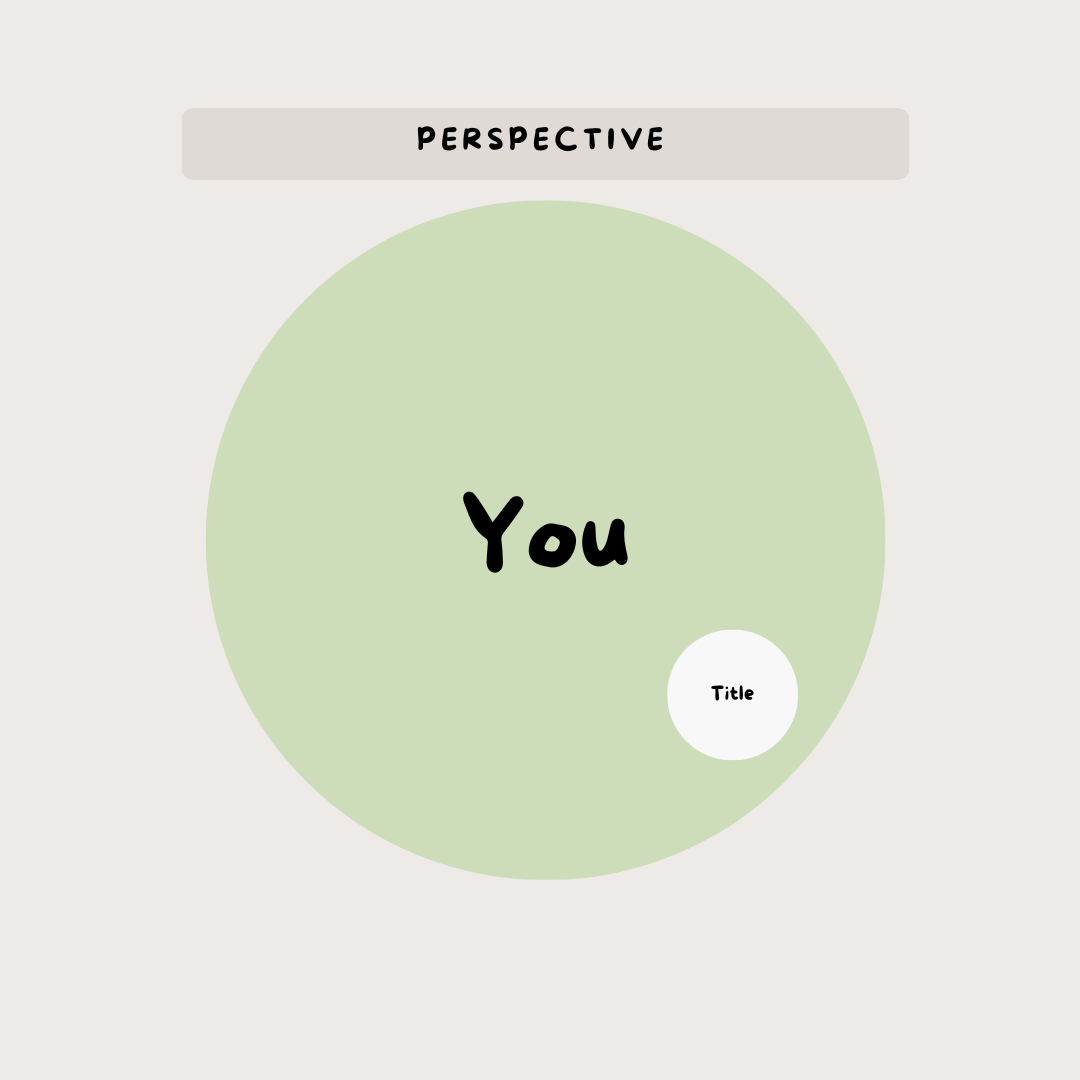
Both career and craftsmanship as concepts can complement each other to create a fulfilling journey, they are not mutually exclusive. Title can reflect the level of seniority, the craft, however, is not about the title, it is about identity. It is about the result, the work itself, the energy you bring to your projects, how you educate your team, how you uplift your peers, and how you navigate conflicts. It makes working with you different from others practicing similar roles.
Ask yourself and others: What does it feel like to experience me as a colleague, peer, manager, creator, contributor, or perhaps result generator?
Self-discovery as your way to craftsmanship
Practicing a craft requires you to know and understand yourself first. You need to understand your emotions, motives, values, and needs. Craftsmanship requires self-discovery. It also requires you to understand others and see things from their perspectives. You need to comprehend the world around you to build yourself up to become an expert in whatever you do. It is impossible to answer "Why do I do what I do" without starting with "Who am I, and what do I want in life."
Self-discovery and self-definition are endless endeavours, but I have prepared some questions that will help get your journey toward your craftsmanship started:
What am I truly passionate about?
Identify the work or skills that genuinely excite you and align with your interests. It is easy to get caught in a comfort zone where we become good at doing something but never enjoy it. Ask yourself this question and sit with the possible discomfort that it will bring to you: Are there things that I am very good at but that are draining me?
What does mastery mean to me in my chosen field(s)?
Define what achieving a high level of skill and expertise means for you. It is not only about the hard skills you need to accomplish the work. It is more about imagining the perfect day at work, what challenges you work on, what skills you use to get to solutions, how you handle setbacks, how you motivate your team and colleagues, and how people feel about working with you. What personality do you bring to work? In other words, what issues and challenges do you want people to call you for.
What skills do I need to develop to achieve mastery?
Identify the specific competencies and knowledge areas you need to focus on. One exercise I love is thinking about people who have achieved the level of mastery I want. I wonder about their personal qualities, what strikes me, and what inspires me in them. I believe that if I admire a quality in another person, I may have it in me; I just need to find a way to make it bloom in me, too.
Long story short: Look for role models who exemplify craftsmanship and analyze their paths and practices.
How can I contribute to my field or community through my craft?
Think about ways to share your work, mentor others, or innovate within your craft. The last three years of mentoring people taught me that people want to make an impact. During every conversation with my mentees, I heard about the need of impact in some capacity. It is such a humane desire. People like their effort to contribute to something great and more prominent than just annual revenue; even in the corporate world, people want to make an impact; they like to know their work means something and helps people.
What habits or mindsets do I need to cultivate to support my journey?
Spend time researching and learning about human nature and our biases, and explore how bringing intention into play can change your life. Cultivate a growth mindset.
A growth mindset suggests that a person can enhance their abilities and skills through dedication, practical strategies, and support from others. This concept was introduced by Professor Carol Dweck, an American psychologist, in her 2006 publication, "Mindset: The New Psychology of Success." Dweck's research reveals the significant influence of an individual's beliefs about their capacity for learning and intelligence on their overall performance. She found that individuals confident in their ability to improve their talents generally achieve more tremendous success than those who believe their skills are inherent and unchangeable.
Adopting a growth mindset means viewing challenges as opportunities for growth and actively seeking out new learning experiences rather than remaining within the confines of what is already known.
Building a portfolio of experiences
A rich tapestry of experiences contributes significantly to career craftsmanship. Diverse roles, projects, and challenges enrich one's skill set and perspective, fostering a well-rounded and adaptable professional. Seeking opportunities to challenge the status quo encourages growth and innovation, vital mastery components.
Craftsmanship is also about developing particular professional taste; it is about understanding the quality of the result that your craft and other professionals produce. It is about being a traveller, exploring and discovering the sphere as you would do in worldwide travel and then coming back "home" enriched, wiser and with something to offer.
The future of work
When individuals embrace craftsmanship in their careers, the ripple effects can transform workplace cultures and the broader job market. Focusing on mastery and depth of work can lead to more innovative, collaborative, and flexible work environments. As we look toward the future of work, it's clear that those prepared to adapt, learn, and pursue excellence will be the ones who thrive. Skills can and should be learned, unlearned and relearned, what stays is the habit, reliability, the learning system you developed for yourself, the way you treat people. These things will stay no matter what kind of transformation we are going through.
Final thoughts
Viewing a career as a journey and pursuing mastery offers a more fulfilling, impactful, and adaptable professional journey. This approach shifts the focus from climbing the corporate ladder to deepening one's expertise and making meaningful contributions. Ladders and companies change, but your professional identity remains.